Supreme Court Clears Path for Trump Mail Voting Order Ahead of Midterms
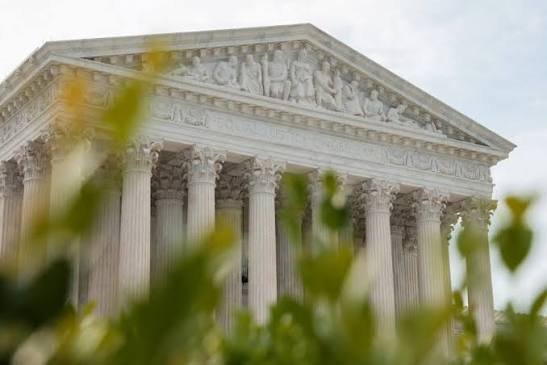
The U.S. Supreme Court on Monday cleared the way for President Donald Trump to move forward with his executive order restricting mail-in voting, although it remains uncertain how much of the plan can be implemented before the November midterm elections.
The ruling could still leave the administration facing additional legal challenges that may delay implementation. The U.S. Postal Service has already outlined how it would carry out the order, but the timeline is tight, with some states expected to begin sending mail ballots to voters within weeks.
Trump has long criticized mail-in voting, claiming without credible evidence that it contributes to election fraud. His executive order, signed in March, directs the administration to establish lists of eligible voters and instructs the Postal Service to deliver mail ballots only to voters on those lists.
Democratic officials from 23 states and the District of Columbia challenged the order in court, arguing that the Constitution gives states and Congress authority over elections. They also warned that implementing major changes so close to the elections could create confusion and opportunities for partisan abuse.
A federal judge in Massachusetts initially blocked the order for the affected states, and an appeals court upheld that decision. The judge later issued a nationwide order blocking the administration from implementing the plan.
The Trump administration appealed to the Supreme Court in late July, arguing that the states had filed their lawsuit prematurely. Federal officials also pointed to a separate ruling from Washington state that allowed the order to proceed, although that decision left open the possibility of further legal challenges.
A group of 12 Republican-led states backed the federal government’s position before the Supreme Court, arguing that states would have a role in developing the voter lists.
The case is expected to be one of several election-related disputes that could reach the Supreme Court ahead of the midterms. In June, the justices ruled in a separate case that states may count certain mail ballots arriving after Election Day.
Mail voting has become increasingly common among U.S. voters from both major parties. About 30% of ballots were cast by mail during the 2024 presidential election, according to federal data.
The issue remains politically contentious as states prepare for the 2026 midterm elections, with election officials facing a limited window to make any changes to mail-ballot procedures.