US loses 80% of key air defence missiles during Iran War
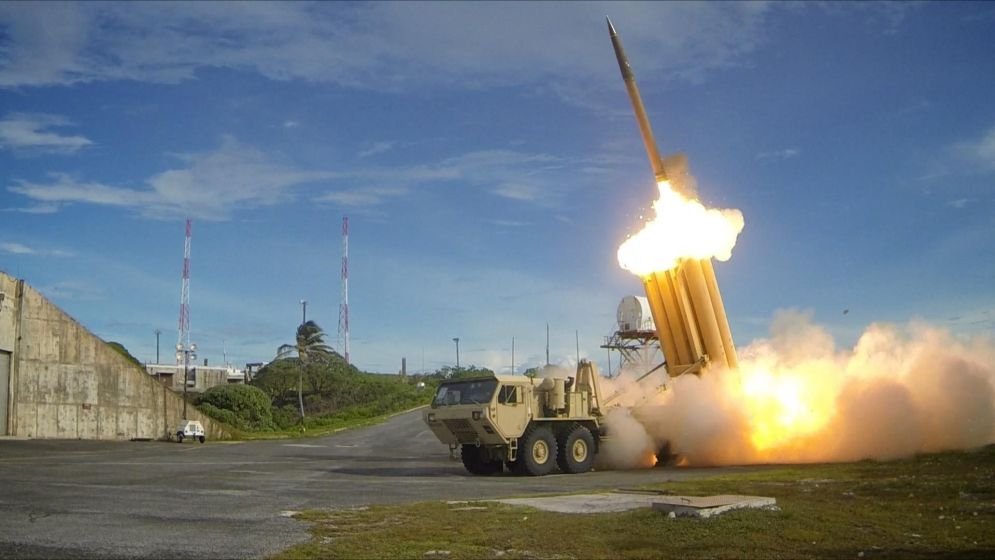
The US military has exhausted nearly 80% of its interceptors for a key missile defence system as senior US military commanders are warning that the Pentagon’s munitions stockpile is “dangerously low,” according to multiple sources familiar with the matter.
Stockpiles of key air defence systems have been particularly depleted during the war with Iran. The US military has burned through nearly four-fifths of its THAAD missile inventory compared to pre-war numbers and roughly half of its Patriot interceptors since the start of the war, according to two sources familiar with the latest inventory report. The disclosure of the low THAAD inventory has not been previously reported.
The Center for Strategic and International Studies estimates the United States had around 2,200 Patriots (of the platform’s two most-modernized variants) and 452 THAAD missiles in its stockpile before the Iran war started.
Gulf allies have also raised fresh concerns about how a shortage of air defence systems could impact their ability to ward off potential Iranian retaliation if President Donald Trump decides to escalate the ongoing conflict.
Several of those countries rely on US air defence systems and have acknowledged the stockpile shortage could hinder their own ability to intercept incoming Iranian missile and drone attacks – particularly if they are targeted in response to any American escalation, multiple officials said.
The stockpile issue was raised again prior to the president’s decision last weekend to cancel new strikes on Iran, marking at least the second time in recent weeks that Trump’s senior military advisers have specifically voiced concerns about the dwindling number of key US munitions during discussions about potentially escalating the conflict with Iran.
The US Army has also used “virtually all” of its highly accurate long-range, surface-to-air weapons during the conflict, according to the source familiar with recent internal Pentagon reports. Reuters first reported the specific concerns about US stockpiles of long-range precision missiles.
The recent warnings about munitions shortages — coupled with other intelligence presented to Trump about the potential negative effects of striking Iran’s critical infrastructure, including energy-related targets, and concerns voiced by Gulf countries — have been compelling enough to convince some of Trump’s most hawkish advisers there were was reason to call off planned operations over the weekend, the sources said.
Trump on Friday was planning to move forward with massive strikes, and Defense Secretary Pete Hegseth received the final “go ahead” order on Friday, according to a senior Trump official.
But Trump decided to back off after talking with Middle East allies on Saturday, who told him they were afraid of Iranian retaliation, specifically retaliatory attacks on their energy infrastructure, according to the official. Trump agreed to hear them, and Iran, out. He subsequently told Hegseth to stand down, for now, but is not taking the planned strikes off the table for a future date.