Kolkata’s ‘mini Bangladesh’ counts its losses
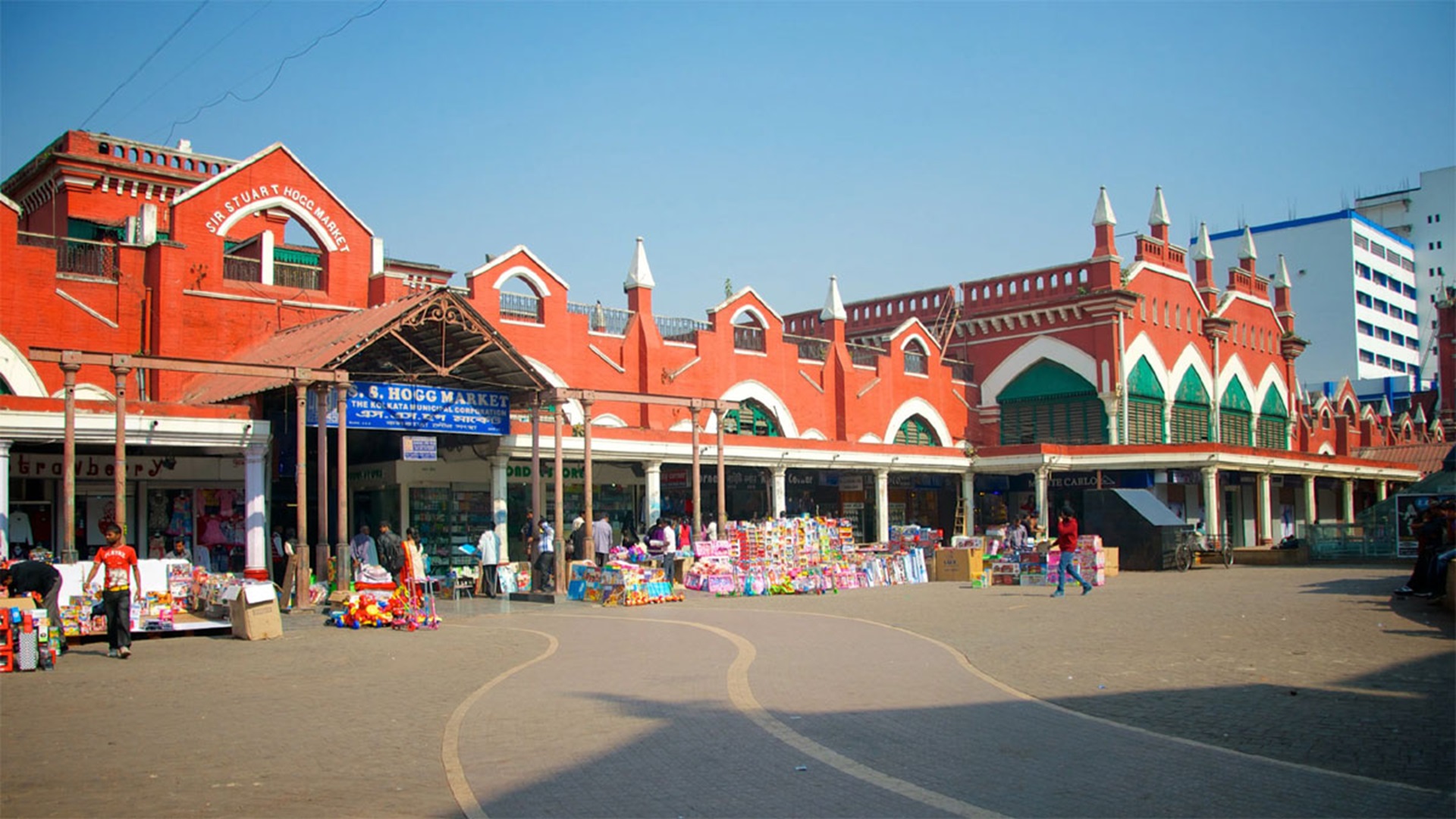
The ‘mini Bangladesh’ of Kolkata was a small but thriving area of the city’s culinary, hospitality, and forex ecosystem a year ago. But when political unrest rocked Bangladesh and then-prime minister Sheikh Hasina’s government collapsed, the neighbourhood took serious damage, with the number of Bangladeshi tourists dropping to almost nothing.
The area is still feeling the effects of the unrest a year later, with losses totalling over Rs 1,000 crore.
The location, which is close to New Market and is bounded by Marquis Street and Free School Street, has long been popular among Bangladeshi travellers.
It offers affordable hotels, eateries serving ‘opaar Bangla’ cuisine, proximity to major railway stations and bus terminals, and access to medical facilities. Till just a year ago, it was a neighbourhood that thrived on tourist footfall. But now, lanes of the once bustling spot have fallen silent, reports Times of India.
While a conservative estimate by several traders’ associations pegs the losses faced by “mini Bangladesh” in one year at over Rs 1,000 crore, many say the actual numbers may be a lot more. ” Business from hotels, eateries, retail, travel agents, forex, medical care and transport is worth Rs 3 crore daily.
If we factor in the losses in New Market and Burrabazar, it will cross Rs 5,000 crore,” said Hyder Ali Khan, general secretary of the Free School Street Traders’ Association.
Several businesses in the area have either shut shop or are focusing on locals. “Even a year ago, multiple buses would arrive with tourists at the same time, making parking difficult. Today, several days pass by without a single tourist arriving,” said Prabir Biswas, manager of a Marquis Street travel company.
Eateries, currency exchange businesses, and homestays are most affected.
Currency exchange businesses dealing in Bangladeshi taka now lie dormant. “We are struggling to stay afloat. We were completely dependent on Bangladeshi tourists,” said Mohammad Intezar, secretary of the Currency Exchangers Association, Marquis Street.
According to traders, nearly 40% of the area’s smalland mid-level restaurants have closed shop since the crisis. Several big eateries are now operating on shoestring budgets. “Business has dropped to 20% and it’s becoming unviable for most of us. We are hanging on somehow, waiting for a turnaround,” said NC Bhowmik, owner of Radhuni Restaurant.
The Dhaka upheaval was actually a double whammy for the area’s businesses, first copping a body blow during the pandemic. “Expecting a boom after the pandemic, many of us had invested heavily. We even took loans to renovate and modify the business,” said the younger brother of a popular Marquis Street eatery owner.
“The business was doing well before this turmoil. My elder brother has fallen sick because of this stress. We have to pay EMIs of Rs 1.5 lakh, and there’s barely any income,” he added.
Beyond big businesses, the informal economy built around tourism influx — home-cooked food providers, homestay operators, tour guides — has crumbled. Hundreds of local residents who worked as hotel staffers, cooks, drivers and in retail shops have been badly hit.
“I bought two commercial vehicles when demand surged after the pandemic. The business was flourishing, and I often had to turn away customers. Now I barely get five to six bookings a month — and that too from locals who don’t want to pay as much. I have to pay EMIs,” said Elliot Road resident Farhan Rasul.