US House to Vote on Bill to Make Daylight Saving Time Permanent
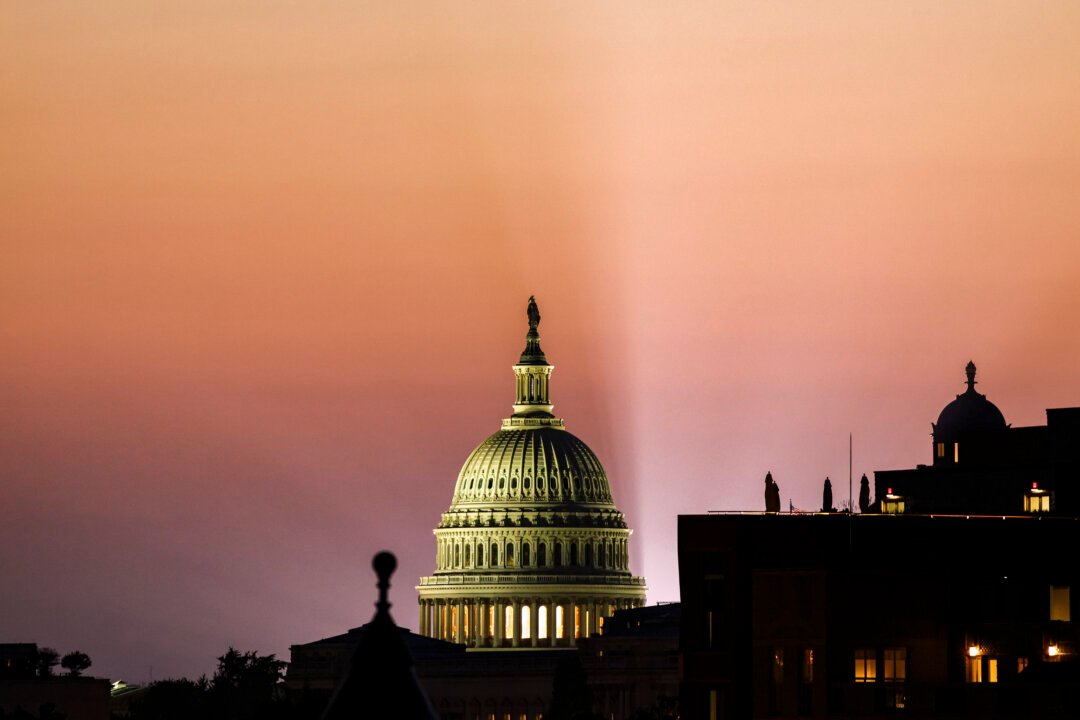
WASHINGTON, DC - JULY 2: The U.S. Capitol Building is lit up during sunset on July 2, 2026 in Washington, DC. Preparations for Saturday's Fourth of July events have led to construction and blocked roads around the city. (Photo by Finn Gomez/Getty Images)
The U.S. House of Representatives is expected to vote next week on the Sunshine Protection Act, a bill that would make Daylight Saving Time (DST) permanent across most of the United States.
The measure comes after the House committee approved the bill by a 48-1 vote in May. If passed by the House, it would still require Senate approval before becoming law.
The proposed legislation would eliminate the twice-yearly clock changes by keeping Daylight Saving Time in effect year-round. Hawaii and most of Arizona, which already observe standard time throughout the year, would remain exempt. Other states would also have the option to opt out.
Supporters argue that ending the seasonal clock changes would improve public health and safety by reducing sleep disruptions, workplace injuries, and traffic accidents. They also say longer evening daylight could benefit tourism and local businesses.
“Ending the clock change is a commonsense reform that will improve everyday life for millions of Americans,” said Representative Vern Buchanan of Florida. Representative Frank Pallone of New Jersey also backed the proposal, saying permanent DST would improve safety and support the state’s tourism industry.
President Donald Trump has expressed support for the legislation, calling the twice-yearly clock changes unnecessary and costly.
However, opponents warn that permanent Daylight Saving Time would result in very late winter sunrises in many parts of the country, forcing children to travel to school before daylight. Senator Tom Cotton of Arkansas has been among the leading critics of the proposal.
The Senate previously approved a similar bill in 2022, but it failed to advance in the House. If lawmakers in both chambers approve the current measure, the United States could permanently end the practice of changing clocks twice a year.