US to Reject Some Green Card Applications Over Minor Errors Under New USCIS Policy
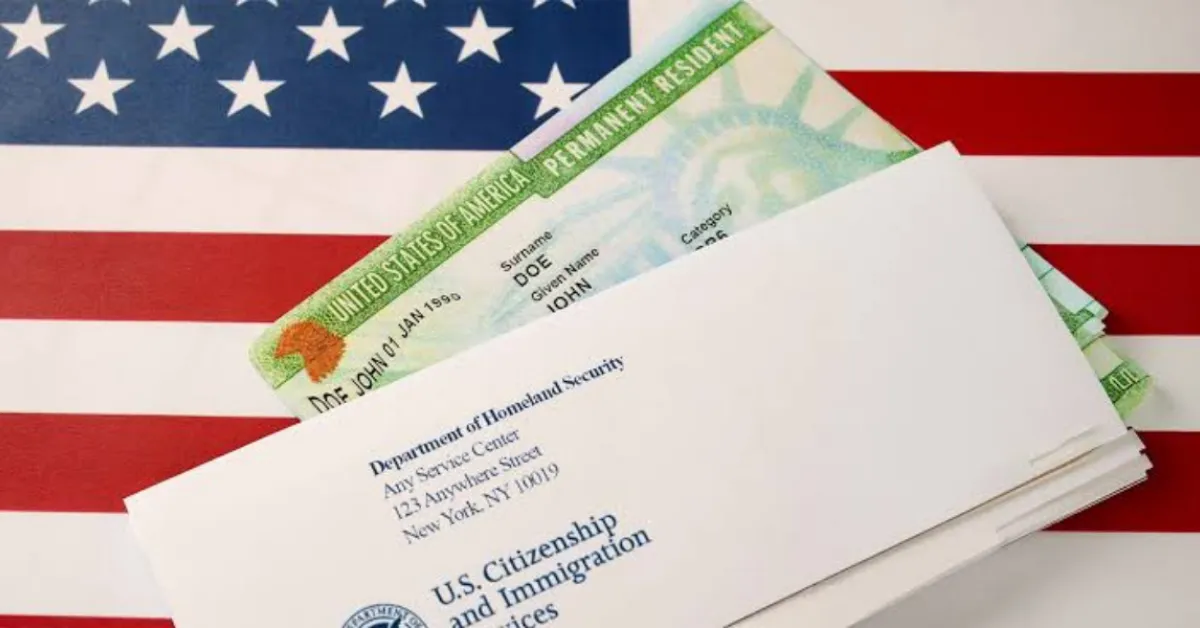
Beginning July 10, U.S. immigration authorities will be able to deny certain green card applications containing technical or clerical errors instead of allowing applicants to correct and resubmit the paperwork, under a new policy introduced by the U.S. Department of Homeland Security (DHS).
Under the revised guidance, officers with U.S. Citizenship and Immigration Services (USCIS) may reject applications outright if they contain mistakes such as missing signatures, incomplete forms, or other filing deficiencies. Previously, many of these applications were returned to applicants for correction before further processing.
A denied application will be considered closed, requiring applicants to submit an entirely new filing and pay all application fees again. The original filing fees will not be refunded.
The Trump administration said the stricter policy is intended to combat fraud and strengthen the integrity of the U.S. immigration system. However, former DHS officials and immigration experts have warned that the changes could create significant challenges for applicants and employers.
Former DHS official Adam Klein said an outright denial could force applicants to restart the entire process, potentially disrupting work authorization and affecting their immigration status.
The new guidance also grants USCIS officers broader discretion when reviewing applications. Officers are instructed to evaluate cases individually, taking into account factors beyond basic eligibility requirements, which experts say may increase uncertainty for applicants even when they meet the legal criteria.
Another former DHS official, Morgan Bailey, expressed concern over how the agency may exercise its expanded authority, noting that the policy reflects a broader shift toward stricter enforcement of immigration benefits.
The policy comes as employment-based visa availability continues to tighten. According to the July 2026 Visa Bulletin, several employment-based visa categories have reached their annual numerical limits. EB-2 visas for Indian nationals and unreserved EB-5 immigrant investor visas will remain unavailable until the start of the next fiscal year.
USCIS also continues to rely on the more restrictive Final Action Dates chart to determine when applicants may proceed with their cases, contributing to longer processing times and additional delays.
Immigration attorneys are advising applicants to carefully review every section of their forms before submission, warning that even minor clerical mistakes could now lead to a denial, increased costs, and lengthy processing delays. Those filing applications without legal assistance may face the greatest challenges under the updated rules.