Trump’s Agricultural Vision Draws Criticism Over Ethnic Profiling
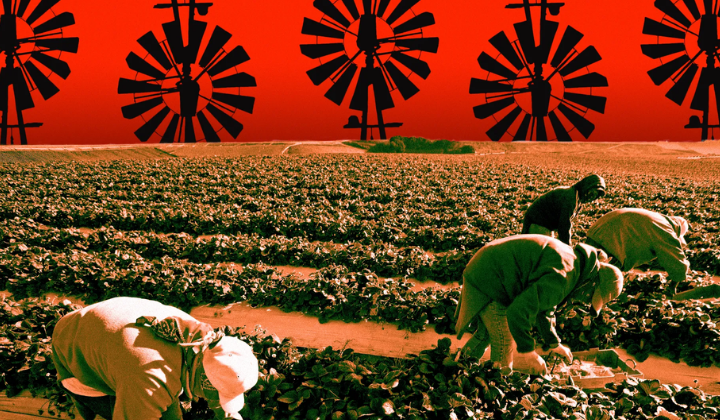
US president Donald Trump’s recent remarks about migrant farmworkers have reignited ethnic tensions within the ongoing debate about America’s agricultural labor force. Trump suggested that migrant workers are “naturally” suited for farm work, a statement that many see as reinforcing long-standing ethnic stereotypes tied to race and labor.
Trump said, People that live in the inner city are not doing that work. We’ve tried, everybody’s tried. They don’t do it. These people do it naturally. Naturally. His comments sparked immediate backlash from labor leaders and civil rights advocates who argue such rhetoric perpetuates discriminatory views and justifies exploitation of migrant and minority workers.
Dolores Huerta, a prominent labor organizer and co-founder of the United Farm Workers, told Axios that these views are rooted in racism and have been used historically to marginalize ethnic groups. She highlighted how Chinese laborers once transformed California’s San Joaquin Valley but were later expelled under exclusionary laws, and how Latino workers have faced similar stereotyping and discrimination.
The White House defended Trump, emphasizing his commitment to supporting American farmers and securing the necessary workforce. Meanwhile, Secretary of Agriculture Brooke Rollins indicated the government is reviewing foreign ownership of farmland, particularly regarding Chinese Americans, a move critics say echoes past discriminatory practices.
USDA data shows Chinese entities own less than 1% of foreign-held agricultural land in the U.S., yet many states have laws limiting foreign ownership. Historically, laws like California’s Alien Land Law targeted Asian immigrants’ right to own farmland, underscoring the racialized history of land control.
As the Trump administration prepares to release its agricultural policies, the debate over migrant labor continues to expose deep ethnic divides in America’s farming sector — raising questions about who is deemed fit to work the land and who is allowed to own it.