BPC caps fuel sales at filling stations amid panic buying fears
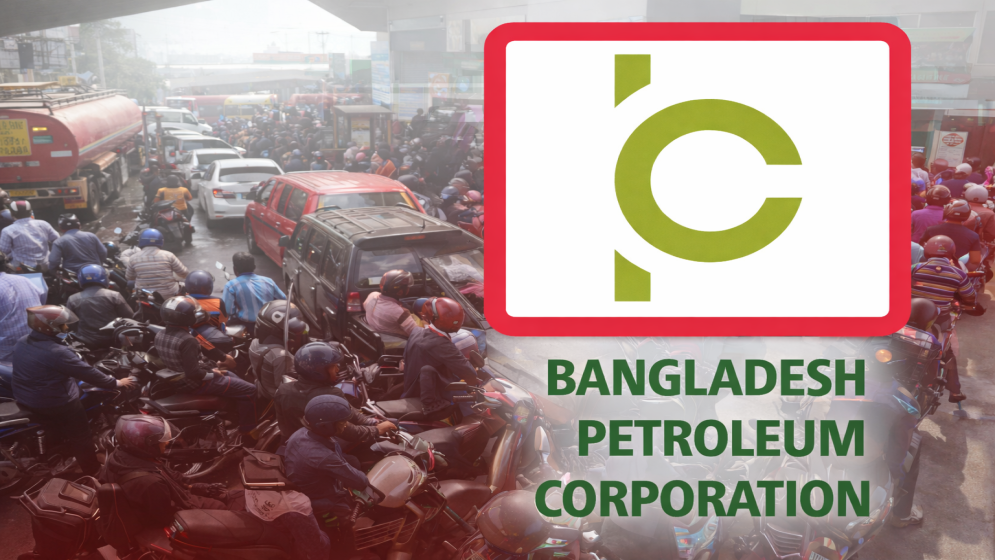
The Bangladesh Petroleum Corporation (BPC) has imposed limits on fuel sales at filling stations across the country as concerns grow over a potential supply disruption triggered by the volatile situation in the Middle East.
In a directive issued on Friday, the state-run fuel authority said the measure was taken to prevent panic buying and ensure stable distribution of petroleum products nationwide.
Under the new instruction, a motorcycle can purchase up to 2 litres of petrol or octane per day, while private cars can buy up to 10 litres daily.
For sports utility vehicles (SUVs) and microbuses, the daily limit has been set between 20 and 25 litres, while pickup vans and local buses will be allowed to purchase 70 to 80 litres of diesel per day.
Long-distance buses, trucks, covered vans and container trucks will be permitted to take 200 to 220 litres of fuel daily, according to the directive.
BPC said Bangladesh imports about 95 percent of its fuel oil, and the country’s import management can occasionally face disruptions or delays during global crises.
The corporation noted that recent reports in traditional and social media about fuel stock levels have triggered excessive demand among consumers, prompting many people to crowd filling stations and purchase more fuel than usual.
It also said dealers have been attempting to collect larger quantities of fuel from depots than usual to meet the surge in demand.
According to the directive, reports have also emerged that some consumers and dealers are trying to stockpile fuel beyond their actual needs, which has drawn the attention of the Energy and Mineral Resources Division and other authorities.
BPC, however, sought to reassure the public that fuel imports are continuing according to schedule, and shipments are arriving regularly.
The corporation said oil is also being transported from major installations to depots across the country through rail wagons and tankers, and that a sufficient buffer stock is expected to be built up within a short period.
To strengthen monitoring, filling stations have been instructed to provide customers with receipts mentioning the type, quantity and price of fuel purchased. Consumers will also need to show their previous receipt when buying fuel again.
Dealers must supply fuel based on official allocations and verified purchase receipts, BPC said, adding that depots will review dealers’ current stock and allocation records before approving further supply.
The directive also warned that no dealer will be allowed to receive fuel beyond their allocated quota under any circumstances.