States and Hospitals Face Dilemma as ICE Gains Access to Medicaid Data
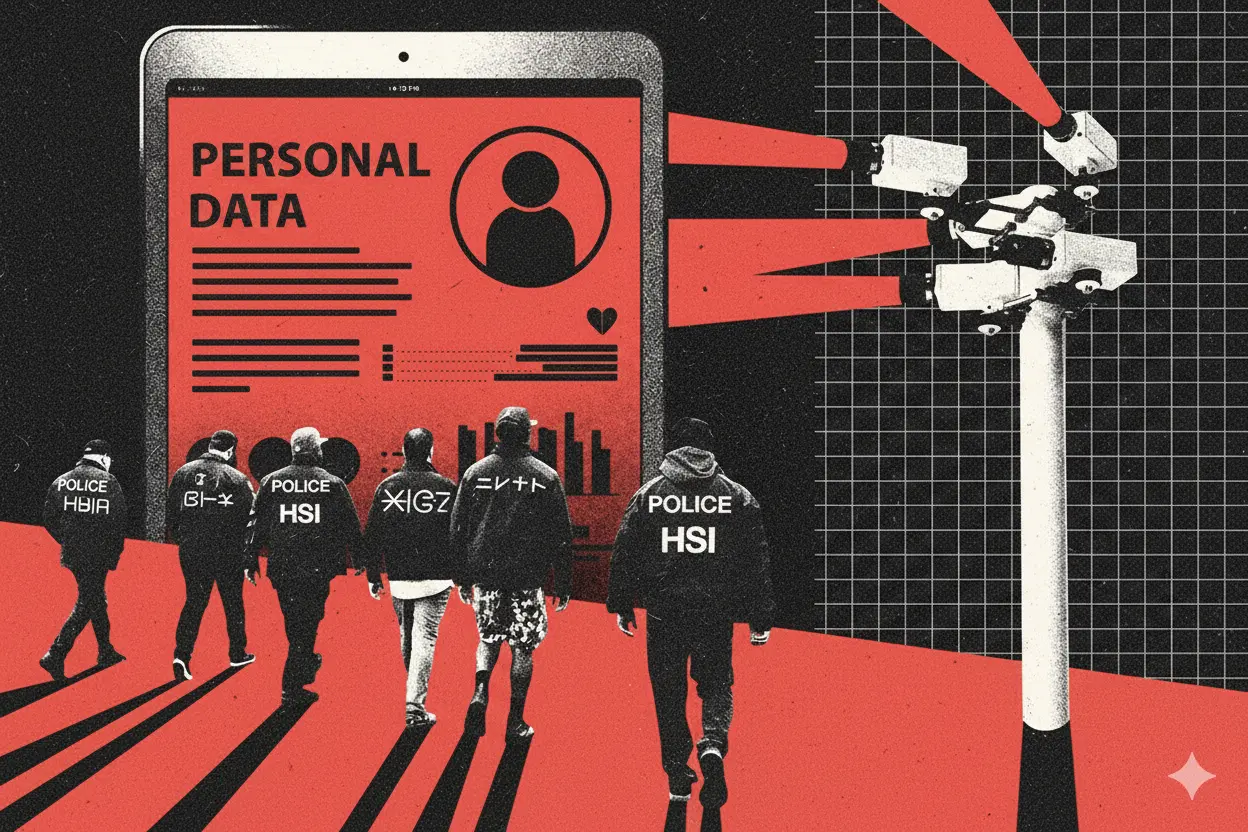
Hospitals and state governments across the United States are grappling with difficult decisions after federal authorities were granted access to Medicaid enrollee data that can be used for immigration enforcement.
Under a recent court ruling, U.S. Immigration and Customs Enforcement (ICE) is now permitted to access certain Medicaid records, including home addresses, raising concerns among health officials and immigrant advocacy groups. Critics warn that the policy could discourage immigrant families from seeking urgent medical care.
At the center of the concern is Emergency Medicaid, a program that reimburses hospitals for providing emergency and pregnancy-related care to immigrants who do not qualify for full Medicaid coverage. Health providers worry that informing patients about potential data-sharing with ICE could cause many to avoid hospitals altogether — even during life-threatening situations.
Health policy experts say the consequences could be severe. Emergency Medicaid is frequently used for childbirth, including deliveries of U.S. citizen babies. Advocates argue that fear of immigration enforcement could push expectant mothers to avoid hospitals during labor.
Policy Shift After Trump’s Return
For more than a decade, states and hospitals assured Medicaid applicants that personal details shared during enrollment would not be used for immigration enforcement. A 2013 internal ICE policy supported that position.
However, following President Donald Trump’s return to the White House, the administration expanded data-sharing across federal agencies as part of a broader immigration crackdown. Last year, the Centers for Medicare & Medicaid Services (CMS) agreed to provide ICE direct access to a national Medicaid database containing addresses and citizenship information.
Legal Challenge From States
Twenty-two states, including Colorado, filed a lawsuit to block the data-sharing arrangement. A federal judge ruled in December that in those states, ICE may access Medicaid information only for individuals who are unlawfully present in the country. The ruling also prohibits sharing data of U.S. citizens and lawfully present immigrants in those states.
The remaining 28 states are not covered by the restriction, meaning ICE can access Medicaid enrollee data more broadly there.
Despite the ruling, federal health officials have not clearly explained how they are separating protected data from information ICE is allowed to access — a task Medicaid experts say would be extremely difficult.
Hospitals Avoid Direct Warnings
Many hospitals contacted about the policy have declined to say whether they are warning patients about possible data-sharing. Those that responded indicated they are not directly alerting Medicaid applicants that their information could be accessed by immigration authorities.
Hospital representatives say they are avoiding legal interpretations and instead referring patients with immigration concerns to state agencies or legal counsel.
Meanwhile, some state Medicaid applications still include language assuring applicants that their information is confidential, though several states have begun reviewing or removing such statements.
Chilling Effect on Health Care
Advocacy groups warn the policy may worsen already existing barriers to care. Surveys show that a significant share of immigrant adults have delayed or skipped medical treatment due to fear or uncertainty related to immigration enforcement.
Legal and health policy experts argue that transparency is essential, even if it forces families into painful decisions.
“People should not have to choose between emergency medical care and the fear of deportation,” said one Colorado-based policy advocate.
Broader Implications
Emergency Medicaid accounts for a small portion of overall federal Medicaid spending but plays a critical role in ensuring hospitals provide legally required emergency care. States submit detailed enrollment data to the federal government each month, making the program an accessible source of information for enforcement agencies.
As legal challenges continue, hospitals and states remain caught between protecting patient trust and complying with federal policy — a balance that many fear is tipping at the expense of public health.