Proposed Public-Charge Rule Could Deepen Fear Among Immigrant Families
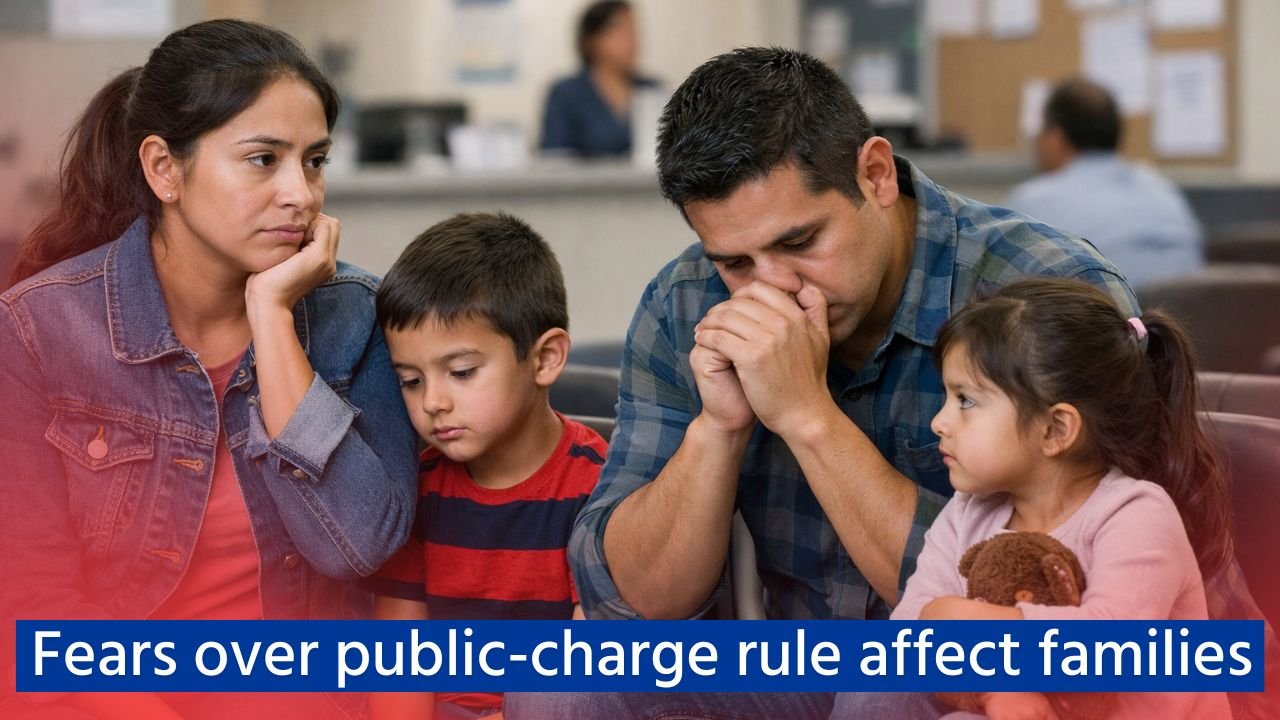
The Trump administration has proposed a major change to how U.S. immigration authorities determine whether an immigrant is likely to become a “public charge,” a legal standard used for more than a century to deny visas or green cards to people deemed overly dependent on government support.
Under a draft rule released by the Department of Homeland Security (DHS), long-standing guidelines that clarified how public-charge decisions should be made would be withdrawn. The administration argues that existing rules overly restrict immigration officers and limit their discretion. If adopted, the change would remove detailed definitions and replace them with a broad framework, giving frontline officers greater authority to interpret the law on a case-by-case basis.
Uncertainty Over Public Benefits
Immigration advocates warn that eliminating clear standards could create widespread confusion among immigrant families and service providers. Without firm guidance, families may not know which public programs could affect future immigration applications. The proposed rule does not explicitly exclude programs such as free school meals, early childhood education, or community health services from consideration.
Another significant shift is the removal of language stating that benefits used by family members—such as U.S.-citizen children—should not be counted against a green-card applicant. Experts say this could discourage families from accessing assistance even when eligible, out of fear it could jeopardize their immigration prospects.
Likely Chilling Effects
Research shows that immigrants already use public benefits at lower rates than U.S.-born residents, even when they qualify. Previous changes to public-charge policy during Trump’s first term led many families to withdraw from benefit programs or avoid applying altogether, including families with U.S.-citizen children.
Policy analysts expect the proposed rule to intensify these effects. DHS itself acknowledges that reduced access to public benefits could lead to poorer health outcomes, increased poverty, housing instability, and lower educational attainment—particularly for children in immigrant households.
A Long-Standing but Evolving Policy
The concept of “public charge” dates back to 1882, but it was not formally defined until 1999, when federal authorities clarified that it referred mainly to reliance on cash assistance or long-term government-funded institutional care. That definition remained largely unchanged until 2019, when the Trump administration expanded it to include use of several non-cash benefits.
Although that earlier rule faced legal challenges and was eventually reversed by the Biden administration, its announcement alone was enough to deter many families from accessing aid. The current proposal would go further by removing most regulatory detail altogether.
Implications for Immigration Decisions
Legal experts warn that without uniform standards, public-charge decisions could vary widely depending on individual officers’ interpretations. Factors such as age, health, or temporary use of benefits could be weighed differently across cases, making outcomes unpredictable.
Studies consistently show that short-term use of public assistance often helps immigrants achieve long-term economic stability. Benefits received during childhood are also linked to better health, education, and employment outcomes later in life.
What Comes Next
The proposed rule is expected to move forward in 2026 and may face court challenges. Even so, it could take effect while litigation is ongoing.
If finalized without additional safeguards, the rule could reduce access to essential services for millions of people in immigrant families—most of whom are U.S. citizens or lawful residents. Critics argue that clearer exemptions for children’s benefits and basic health and education programs could limit harm. Without such assurances, fear and uncertainty are likely to shape family decisions long before any immigration officer reviews an application.