Iran’s Supreme Leader Issues Warning as Nationwide Protests Persist
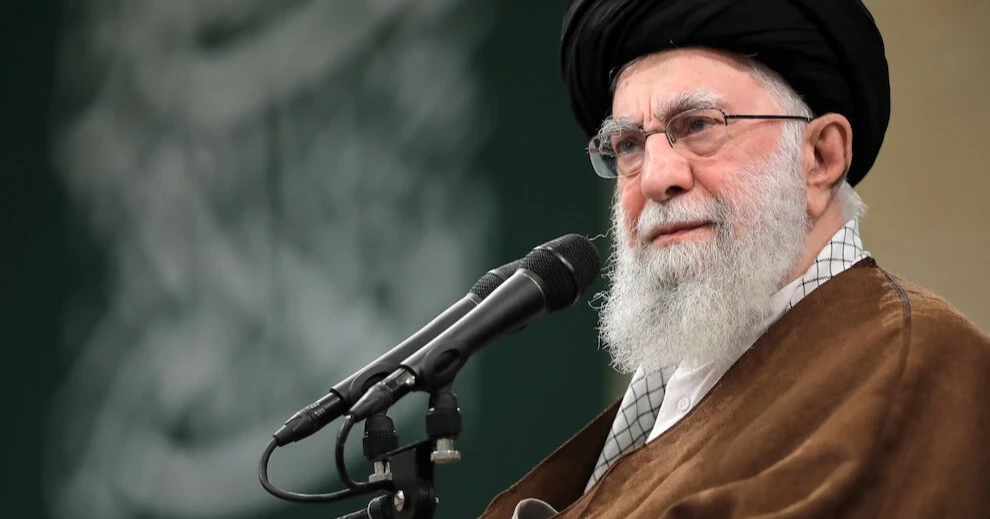
Iran’s Supreme Leader Ayatollah Ali Khamenei has warned of a tough response against protesters as demonstrations continued across multiple cities despite a nationwide communications blackout.
Videos shared through limited online channels showed crowds gathering in Tehran and other urban areas late Friday, chanting slogans critical of the government. Authorities had earlier shut down internet access and international phone connections, a move widely seen as an attempt to suppress information and limit coordination among protesters.
The unrest, which began in late December over rising prices, unemployment, and economic hardship, has evolved into one of the most serious challenges to Iran’s leadership in recent years. Rights groups estimate that at least 65 people have been killed and more than 2,300 detained since the protests began.
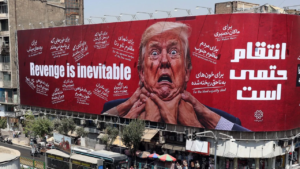
Addressing supporters in Tehran, Khamenei accused the United States of encouraging the unrest, claiming protesters were acting to please foreign powers. State media aired footage of pro-government rallies where crowds chanted slogans against the U.S., while officials increasingly labeled demonstrators as extremists—language that analysts say often precedes harsh crackdowns.
Judiciary chief Gholamhossein Mohseni-Ejei said those involved in the protests would face swift and severe punishment, signaling little tolerance for dissent.
International concern has grown over reports of deadly force used against protesters. Leaders of Germany, Britain, and France issued a joint statement urging Iranian authorities to respect citizens’ rights to peaceful protest and to avoid violence.
Nobel Peace Prize laureate Shirin Ebadi criticized Iran’s leadership, accusing it of ruling through fear and repression. She urged Western governments to take stronger positions in defense of Iranian protesters.
Meanwhile, former U.S. President Donald Trump warned that violence against demonstrators would bring consequences, saying Iran’s leadership was facing growing instability. His remarks followed recent U.S. military actions elsewhere, adding weight to his statements despite uncertainty over possible intervention.
Despite the shutdown, activists managed to circulate short video clips showing fires burning in streets and crowds chanting anti-government slogans, including calls against the supreme leader. One widely shared clip appeared to show a large gathering in Tehran’s Saadat Abad neighborhood.
The protests have also tested calls to action by exiled Crown Prince Reza Pahlavi, who urged Iranians to demonstrate at specific times over consecutive nights. Some protesters were heard chanting slogans in support of the former monarchy, highlighting the depth of frustration with the current system.
State television reported isolated incidents of violence, including deaths in Hamedan and clashes involving security forces in Qom. Protests were also reported in Zahedan, a region with a history of unrest.
With communication restrictions still in place, the full scale of the demonstrations remains unclear. However, continued nighttime protests suggest that public anger remains strong despite mounting pressure from authorities.