Biting Cold Wave Sweeps Northern and Coastal Bangladesh, Temperatures Drop Sharply
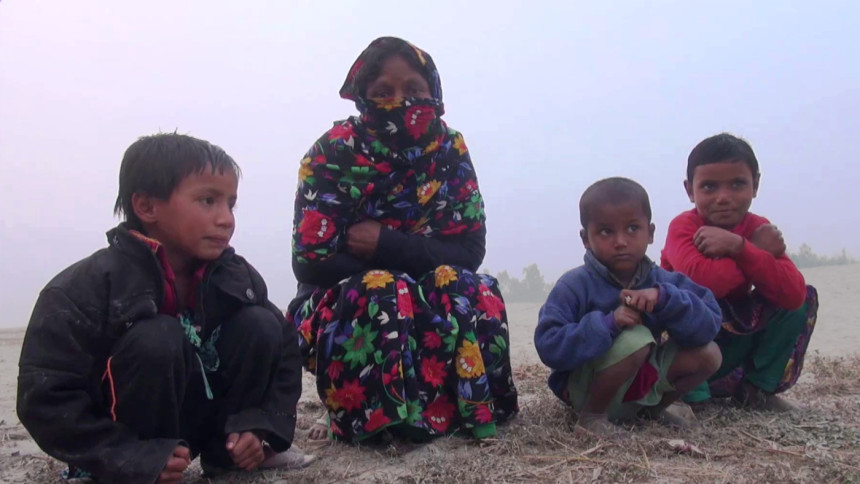
Dhaka, Bangladesh: A severe cold wave is affecting northern and coastal regions of Bangladesh, with temperatures plunging to record lows and intensifying hardship for low-income communities. Day labourers, farmers, fishermen, and residents of riverine char areas are particularly vulnerable.
In Panchagarh, the country’s northernmost district, the lowest temperature of the day was recorded at 7.5°C, down from 8.6°C the previous day, according to the Tetulia Weather Observatory. Dense fog reduced visibility to 10–15 feet, forcing residents indoors earlier than usual.
Elsewhere, Naogaon’s Badalgachhi upazila reported the season’s lowest reading at 6.7°C, while Thakurgaon recorded 7.5°C, Rajshahi 7.6°C, Dimla in Nilphamari 8°C, Rajarhat in Kurigram 8.5°C, and Dinajpur 8.7°C. The Rangpur Meteorological Office noted a 3.2°C drop in the city’s minimum temperature within a single day.
Local residents described the conditions as “bone-chilling,” making it difficult to continue daily work. Moyesuddin, a scrap worker in Panchagarh, said, “The cold and strong winds are making work almost impossible.”
Riverine char areas along the Brahmaputra, Teesta, and Dharla rivers are especially affected. Over one million people live in more than 500 chars in the Rangpur region, where limited infrastructure and dependence on daily wages heighten vulnerability. Authorities have distributed 25,000 blankets, though demand is estimated at 150,000, according to Kurigram District Relief and Rehabilitation Officer Abdul Matin.
Coastal districts are also feeling the chill. In Patuakhali’s Kalapara upazila, temperatures dropped to 8.4°C, the lowest in two years. Reduced visibility below 50 metres disrupted both road and water transport, while fishermen avoided deep-sea trips. Residents have been burning straw and dry leaves to keep warm.
Meteorologists warn that the cold wave is expected to persist for another two to three days, with temperatures potentially dropping further. Authorities are urging vulnerable communities to take precautions and are working to ensure relief supplies reach the most affected areas.