Bangladesh Political Crisis Deepens Ahead of 2026 Election
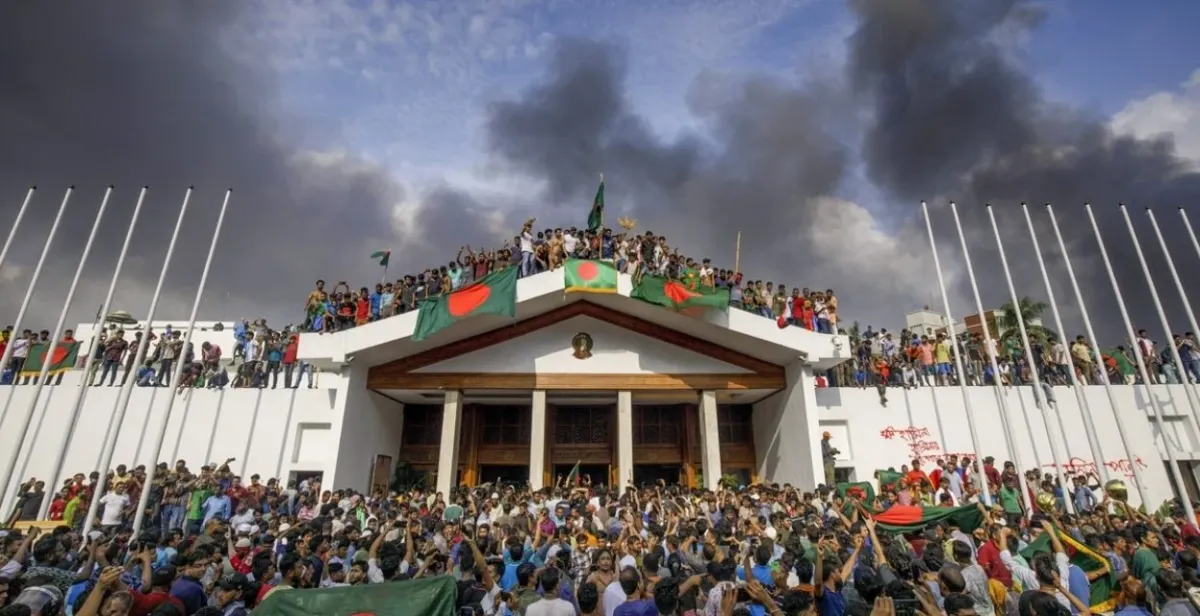
Bangladesh is facing growing political uncertainty as the country moves closer to its 2026 national election, with analysts warning of a fast-deepening crisis that could leave millions of voters effectively excluded from the democratic process.
A recent analysis says tensions have escalated following the continued ban on the Awami League and the absence of its former leader Sheikh Hasina, who remains in exile. The report cautions that the exclusion of a major political force risks undermining the credibility of the upcoming vote and could trigger renewed unrest.
The election is expected to draw intense domestic and international scrutiny, particularly as Nobel laureate Muhammad Yunus is set to oversee the process. Observers say the central question is whether the poll will mark a genuine break from Bangladesh’s troubled electoral past or repeat cycles of confrontation, boycott and street protests.
The report highlights deep mistrust among rival political camps, noting that the Awami League is now facing the kind of political pressure and marginalisation it once imposed on the Bangladesh Nationalist Party. International coverage patterns, including those seen in previous reporting by global news agencies, point to a long history of disputed elections during transitions of power in Bangladesh.
Analysts warn that banning a major party could significantly shape the electoral outcome, weakening public confidence and fuelling claims that the playing field is uneven. They say this comes at a particularly sensitive moment, when political stability is seen as crucial for economic and social recovery.
Strong emotions are also evident among Awami League supporters, many of whom fear being denied representation. The report suggests this sense of exclusion could lead to protests, rallies and further instability as the election draws nearer.
According to the analysis, Bangladesh now stands at a crossroads between reform and retaliation. While some citizens view the election as an opportunity for renewal, others doubt whether the current political framework can deliver a genuinely fair contest. This divide, the report says, is shaping the national mood.
There are also warnings that prolonged political disputes could erode faith in democratic institutions. Past crises in Bangladesh have often resulted in extended periods of conflict between rival groups, raising concerns that history may repeat itself.
The report concludes that the 2026 election will be a defining test for Bangladesh, determining not only who governs the country, but also how power, justice and political inclusion are managed in the years ahead.