EU Countries Split Over How to Share Migration Burden
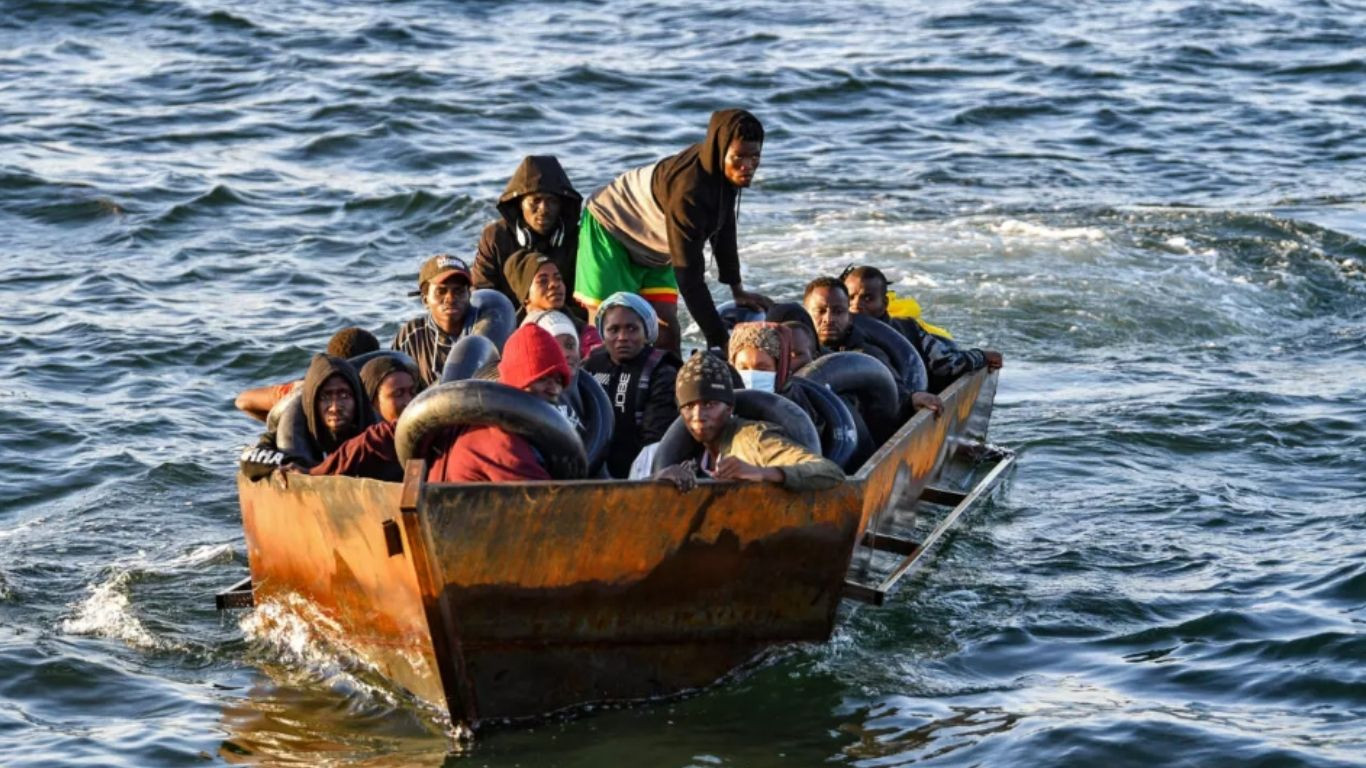
Europe’s new migration rules are facing early turbulence, with EU member states divided over who should accept asylum-seekers and who can simply pay for support. Migration and home affairs ministers met in Luxembourg on Tuesday to discuss the implementation of so-called return hubs and cross-border deportation powers, but disagreements over responsibilities dominated the talks.
Under the EU’s 2023 asylum and migration law, the European Commission identifies countries under “migratory pressure.” Other member states can either accept relocated migrants or provide funding and staff. However, many governments appear more willing to offer financial support than open their borders.
Belgium, Finland, the Netherlands, and Sweden have all signaled a preference for paying rather than hosting migrants. This could trigger a system of “offsets,” where countries handle some asylum cases on behalf of others without relocating people physically.
Italy and Greece, likely designated to receive such support, have historically struggled to meet EU asylum quotas, adding to the tension. Ministers also failed to agree on mandatory recognition of asylum decisions across member states, a proposal currently led by Denmark.
EU Commissioner for Migration Magnus Brunner stressed the urgency of reform, while analysts warned that failure to implement the rules could undermine the credibility of the European asylum system. Possible consequences include reinstated border controls within the Schengen zone, systematic pushbacks, and a political boost for far-right parties.
Experts note the situation differs from the 2015 migration crisis, as national governments today are more self-interested, complicating efforts to find a unified approach.
Europe’s new migration rules are facing early turbulence, with EU member states divided over who should accept asylum-seekers and who can simply pay for support. Migration and home affairs ministers met in Luxembourg on Tuesday to discuss the implementation of so-called return hubs and cross-border deportation powers, but disagreements over responsibilities dominated the talks.
Under the EU’s 2023 asylum and migration law, the European Commission identifies countries under “migratory pressure.” Other member states can either accept relocated migrants or provide funding and staff. However, many governments appear more willing to offer financial support than open their borders.
Belgium, Finland, the Netherlands, and Sweden have all signaled a preference for paying rather than hosting migrants. This could trigger a system of “offsets,” where countries handle some asylum cases on behalf of others without relocating people physically.
Italy and Greece, likely designated to receive such support, have historically struggled to meet EU asylum quotas, adding to the tension. Ministers also failed to agree on mandatory recognition of asylum decisions across member states, a proposal currently led by Denmark.
EU Commissioner for Migration Magnus Brunner stressed the urgency of reform, while analysts warned that failure to implement the rules could undermine the credibility of the European asylum system. Possible consequences include reinstated border controls within the Schengen zone, systematic pushbacks, and a political boost for far-right parties.
Experts note the situation differs from the 2015 migration crisis, as national governments today are more self-interested, complicating efforts to find a unified approach.