Cold War Shaped U.S. Immigration Policy and Rhetoric
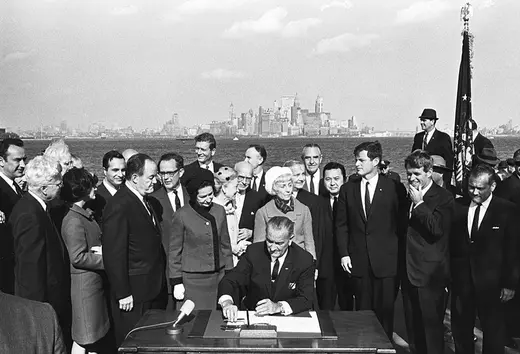
Seventy-five years ago, U.S. leaders began framing immigration more positively, largely due to Cold War pressures. Analysis of over 200,000 presidential and congressional speeches from 1880 to 2020 shows three main periods in U.S. immigration rhetoric.
Before World War II, political speeches often supported restrictive, race-based immigration policies. After the war, the U.S. positioned itself as a defender of freedom against communism, encouraging asylum for political refugees to highlight democratic values abroad. Presidents Truman, Eisenhower, Kennedy, and Johnson emphasized this approach.
Major immigration laws reflected this shift. The 1965 Hart-Celler Act removed national-origin quotas and prioritized family reunification and skills. The 1986 Simpson-Mazzoli Act provided a path to citizenship for millions of undocumented immigrants while strengthening enforcement.
After the Cold War, bipartisan support weakened, and immigration rhetoric became more polarized. Anti-immigration messages grew, particularly after the September 11 attacks, marking the start of the current era of divisive debate.