Depression Rates in the US Rise by 18% Over a Decade, Gallup Finds
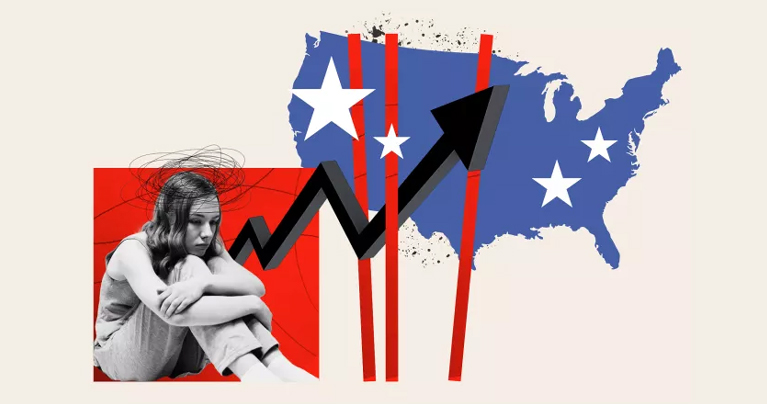
The number of Americans suffering from depression has risen by 18% in the past decade, according to a new Gallup survey released on 16 September. The study highlights the lingering impact of the Covid-19 pandemic, with young people particularly affected by growing economic and social pressures.
This year, 35.1% of Americans reported symptoms of depression, up from 22.1% in 2017. Among households earning less than $24,000 a year, cases rose by 13% over the past eight years. For those under 30, the rate jumped by 26.7%.
Dr Gerard Sanacora, director of the Yale Depression Research Program, warned that the spread of depression is “deeply alarming” and poses a serious challenge for healthcare. “Unless swift action is taken, it risks undermining America’s future,” he said.
Experts say depression—marked by persistent sadness, disturbed sleep, eating disorders, and reduced ability to function—has become a global concern. The World Health Organization estimates that more than one billion people worldwide now suffer from the condition.
Dr David Mischoulon, director of Harvard Medical School’s Depression Clinical and Research Program, linked the rise to the pandemic’s social isolation and economic fallout. “People became disconnected, lonely, and financially stressed,” he said. “With rising rents, food prices, and job insecurity, many Americans see no clear way out.”
Despite the end of the pandemic, financial worries continue to weigh heavily. Gallup found that 21% of adults say they are still living in severe economic hardship—up from 17% in 2023. Doctors report that one in four patients in clinics and emergency rooms cite financial distress as a key factor in their mental health struggles.